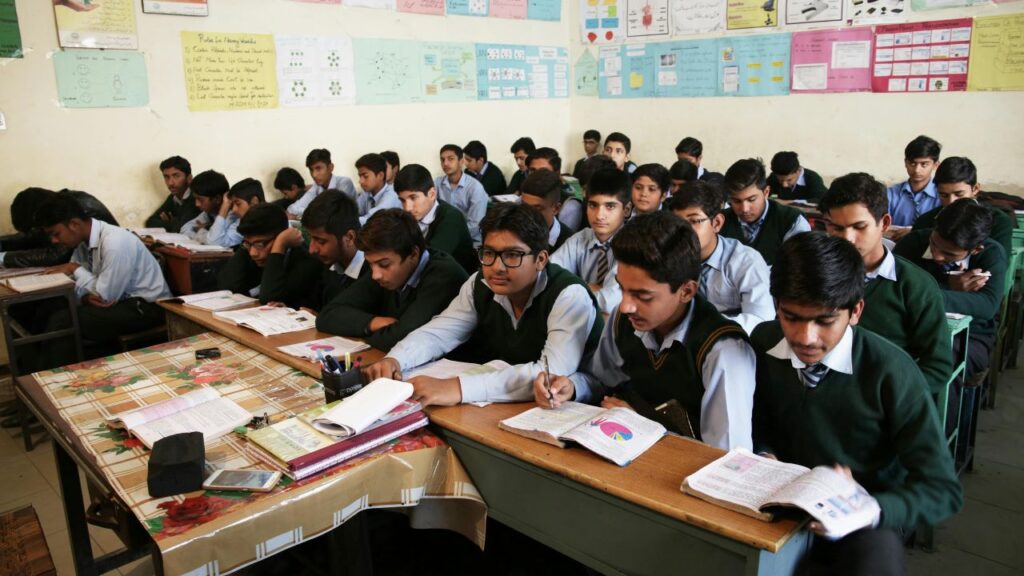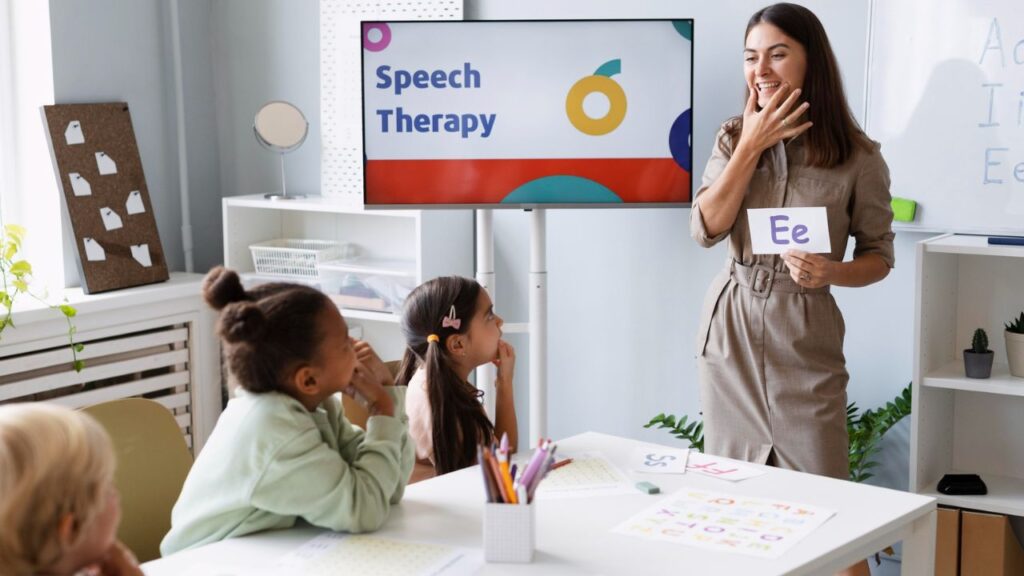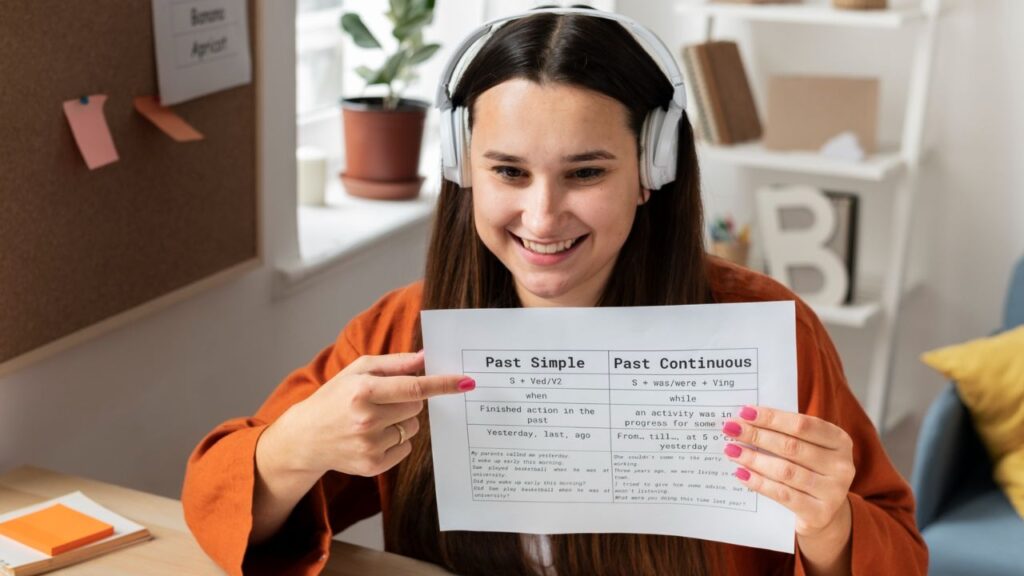
Learning English doesn’t really happen when students stay inside four walls. It happens when they order food, ask for directions, laugh at jokes they almost missed, and figure out how real conversations actually work. That’s the thinking behind the ALEI Cultural Activities Program — a hands-on system designed to turn everyday experiences into language lessons.
At ALEI, culture isn’t a side activity. It’s part of how English comes alive.
What Is the ALEI Cultural Activities Program?

The ALEI Cultural Activities Program is a structured set of real-world experiences designed to help students practice English outside the classroom while learning about local culture, customs, and communication styles.
These activities are not random field trips. They are planned, guided, and connected directly to language goals such as:
- Speaking confidence
- Listening comprehension
- Vocabulary in real contexts
- Cultural fluency and pragmatics
The program complements classroom instruction by giving students opportunities to use English naturally — not perfectly, but authentically.
Why Culture Matters in Language Learning

Students can study grammar for years and still freeze during a real conversation. That’s because language is deeply tied to culture — tone, humor, body language, and expectations all matter.
ALEI’s cultural activities help students:
- Understand how English is used socially
- Learn what’s appropriate in different situations
- Recognize informal vs. formal speech
- Build confidence through exposure
This approach aligns with experiential learning models supported by education research referenced by https://www.ed.gov/, which emphasize learning through participation and reflection.
Types of Cultural Activities at ALEI

Activities may vary by term and location, but they are always designed around interaction, not observation.
Common Cultural Activities
| Activity Type | Language Skills Practiced |
|---|---|
| Community outings | Listening, speaking, vocabulary |
| Cultural events | Comprehension, social language |
| Group discussions | Opinion sharing, fluency |
| Real-world tasks | Functional English |
| Reflection activities | Writing and critical thinking |
Students are encouraged to speak, ask questions, and interact — not just watch from the sidelines.
Learning English Through Real Situations
Cultural activities place students in situations they’ll actually face outside school.
Examples include:
- Ordering food and understanding menus
- Asking for help or directions
- Making small talk in social settings
- Understanding humor, slang, or tone
- Navigating everyday services
These experiences expose students to natural speed, accents, and unpredictability — something textbooks can’t fully replicate.
Guided, Not Unguided Experiences
ALEI doesn’t just send students out and hope for the best.
Each activity typically includes:
- Pre-activity preparation (key vocabulary, expectations)
- Instructor or staff guidance during the activity
- Post-activity reflection or discussion
This structure helps students process what they experienced, identify gaps, and turn moments of confusion into learning.
How Cultural Activities Support Communicative Learning
The Cultural Activities Program is an extension of ALEI’s communicative English teaching approach.
Instead of rehearsed dialogues, students:
- React in real time
- Adjust language based on responses
- Learn from misunderstandings
- Gain confidence through use
Mistakes aren’t failures — they’re data. Faculty often reference these experiences later in class to reinforce lessons.
Participation Expectations
Cultural activities are meant to be active.
Students are expected to:
- Participate respectfully
- Attempt communication in English
- Engage with peers and instructors
- Reflect honestly on challenges
Standing back silently defeats the purpose. The goal is progress, not perfection.
Cultural Awareness and Social Norms
One of the biggest benefits of the program is learning how English speakers communicate, not just what they say.
Students gain insight into:
- Politeness and indirect language
- Turn-taking in conversations
- Humor and sarcasm
- Personal space and body language
- Professional vs. casual communication
These details often make the difference between sounding fluent and sounding natural.
How Cultural Activities Affect Academic Progress
While cultural activities are not exams, they support academic growth in important ways.
Participation can improve:
- Speaking confidence in class
- Listening comprehension scores
- Vocabulary retention
- Overall engagement
Instructors may reference participation and reflection when evaluating student progress, especially in communicative competence.
Reflection: Turning Experience Into Learning
After activities, students may be asked to:
- Discuss what they noticed
- Share challenges or surprises
- Write short reflections
- Practice vocabulary learned
Reflection helps students slow down and understand why something worked or didn’t — a key step in long-term learning.
Benefits for International and New Students
For international students, cultural activities reduce isolation and accelerate adjustment.
They help students:
- Feel more comfortable in the community
- Build friendships with classmates
- Reduce fear of real-world interaction
- Understand local expectations faster
This support can be especially valuable during the first weeks of study.
What the Cultural Activities Program Is Not
To set expectations clearly, the program is not:
- Tourism or sightseeing only
- Optional entertainment without purpose
- A substitute for classroom learning
- A test-free free pass
It’s learning — just happening outside the classroom.
Safety and Supervision
ALEI prioritizes student safety during activities.
Programs typically include:
- Clear instructions and boundaries
- Staff or instructor supervision
- Group-based participation
- Institutional guidelines for conduct
Students are expected to follow all ALEI policies during off-campus activities.
Common Student Reactions
Many students feel nervous before their first activity. That’s normal.
Common reactions afterward include:
- “It was harder than class — but better.”
- “I finally understood how people really talk.”
- “I made mistakes, but I learned fast.”
Discomfort is part of growth. ALEI builds that into the experience intentionally.
Tips to Get the Most Out of Cultural Activities
Say yes to participation, even when unsure.
Listen more than you speak — then try anyway.
Write down new phrases immediately.
Ask questions afterward if something confused you.
Treat each activity like a real-life lesson.
FAQs:
Are cultural activities mandatory at ALEI?
Some activities may be required depending on the program, while others are optional but strongly encouraged.
Do I need high-level English to participate?
No. Activities are designed for students at different proficiency levels.
Are instructors present during activities?
Many activities include faculty or staff guidance, though formats vary.