Landing in a new country to study English is exciting—and quietly intimidating. New accents, new rules, new expectations. At ALEI, international students aren’t just learning a language; they’re learning how to live comfortably inside it. That’s where this guide comes in. Think of it as a practical roadmap for daily life, classroom success, and cultural adjustment—all in one place.
Starting Life as an International Student at ALEI
Your first weeks matter more than you think. This is when habits form, confidence gets tested, and misunderstandings either grow—or get solved early.

International students at ALEI typically juggle:
- English classes with real-world communication
- Cultural differences in classrooms and daily life
- Independence, sometimes for the first time
The good news? Thousands have done it before you—and ALEI is built to help you adapt without feeling lost.
Adjusting to Life in a New Country
Culture shock is real, even if you’re excited to be here.

Common early challenges include:
- Feeling tired or overwhelmed
- Missing home routines and food
- Struggling with small talk or fast speech
- Worrying about making mistakes in public
These feelings don’t mean you’re failing. They mean you’re adjusting.
A helpful rule: give yourself time. Most students feel significantly more comfortable after the first few weeks once routines settle in.
Using English Outside the Classroom

One of the biggest advantages of studying at ALEI is that English doesn’t stop when class ends.
Everyday moments become learning opportunities:
- Ordering food
- Asking for help
- Talking to classmates
- Understanding announcements or signs
You don’t need perfect English. You need usable English—and that only comes from practice.
Education research supported by institutions referenced through https://www.ed.gov/ consistently shows that language immersion speeds up fluency when paired with structured learning.
Classroom Culture at ALEI: What to Expect
Classrooms at ALEI may feel different from what you’re used to.
Expect:
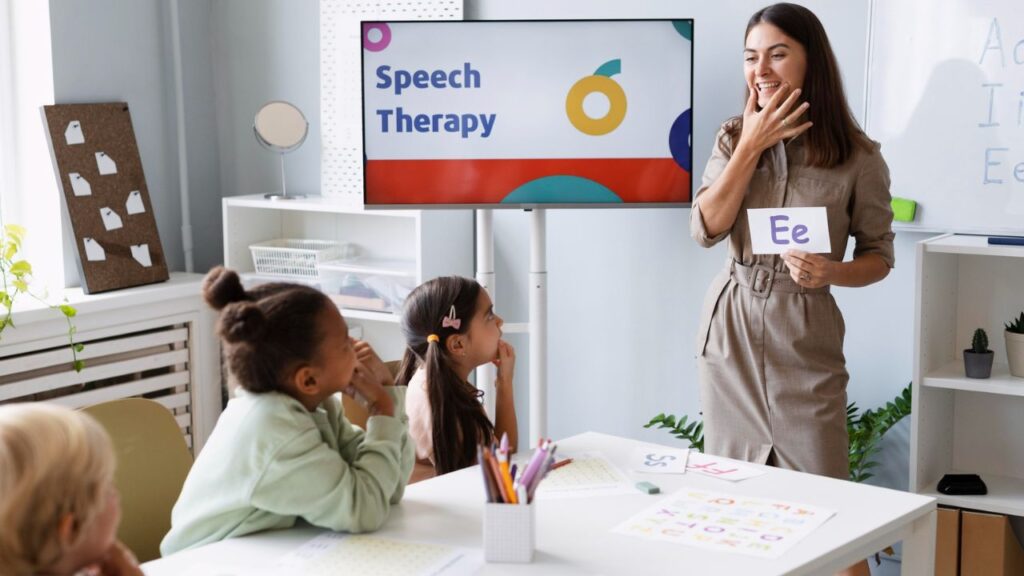
- Frequent speaking activities
- Group and pair work
- Direct questions from instructors
- Feedback during class
Silence is not a sign of respect here—it often signals confusion or hesitation. Instructors expect participation, even if your answer isn’t perfect.
Mistakes are normal. In fact, they’re expected.
Academic Expectations for International Students
ALEI holds international students to the same academic standards as everyone else.
That includes:
- Attendance requirements
- Participation expectations
- Assignment deadlines
- Level advancement criteria
Being an international student does not lower expectations—but support systems are in place to help you meet them.
Managing Time, Stress, and Study Habits
Many international students underestimate how mentally demanding studying in another language can be.
Helpful habits include:
- Reviewing notes daily, not weekly
- Using planners or phone reminders
- Sleeping enough (seriously)
- Asking questions early
If stress builds up, ALEI’s student support services and counseling resources are there to help—not judge.
Public education guidance on student wellbeing and adaptation can also be found through resources like https://www.usa.gov/education.
Making Friends and Building Community
Language improves faster when you feel connected.
Ways students build community at ALEI:
- Conversation clubs
- Cultural activities
- Group projects
- Informal study groups
Don’t wait for friendships to “just happen.” Small efforts—sitting next to someone new, starting a simple conversation—go a long way.
Cultural Differences to Be Aware Of
Some differences surprise students more than language itself.
Common adjustments include:
- More direct communication styles
- Casual relationships with instructors
- Strong emphasis on punctuality
- Expectation of self-advocacy
If something feels confusing or uncomfortable, ask. Questions are viewed as responsibility, not weakness.
Practical Life Tips for International Students
Daily life skills matter just as much as grammar.
Helpful reminders:
- Learn basic transportation routes early
- Understand local payment methods
- Keep important documents organized
- Save emergency contacts in your phone
The more comfortable daily life becomes, the more mental energy you have for learning.
Handling Homesickness
Homesickness doesn’t mean you made the wrong choice.
Healthy ways to manage it:
- Keep regular contact with family—but not all day
- Build routines that feel familiar
- Stay physically active
- Talk to someone when it feels heavy
Most students experience homesickness in waves. It fades as confidence grows.
Using ALEI Support Services
International students are encouraged—not discouraged—to use support services.
Available support often includes:
- Academic advising
- Writing and speaking help
- Counseling and guidance
- Instructor office hours
Strong students use support early. Struggling students wait too long. Choose the first path.
English Improvement Takes Patience
Progress doesn’t always feel linear.
Some weeks you’ll feel fluent. Other weeks, everything sounds fast again. That’s normal.
Signs you’re improving—even if it doesn’t feel like it:
- You understand jokes faster
- You think in English briefly
- You stop translating every sentence
- You recover faster from mistakes
Fluency sneaks up on you.
Staying Motivated Long-Term
International students who succeed tend to:
- Set small, realistic goals
- Track progress over time
- Celebrate improvement, not perfection
- Stay curious instead of self-critical
Remember why you came.
FAQs:
Do I need perfect English before starting at ALEI?
No. ALEI programs are designed to help students improve from their current level.
Can international students use counseling services?
Yes. Support services are available and confidential.