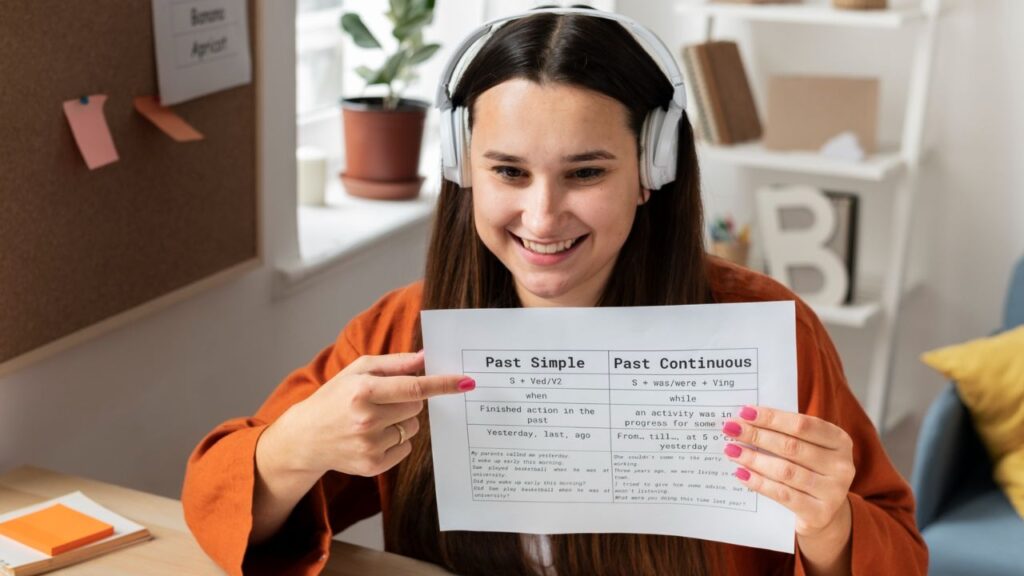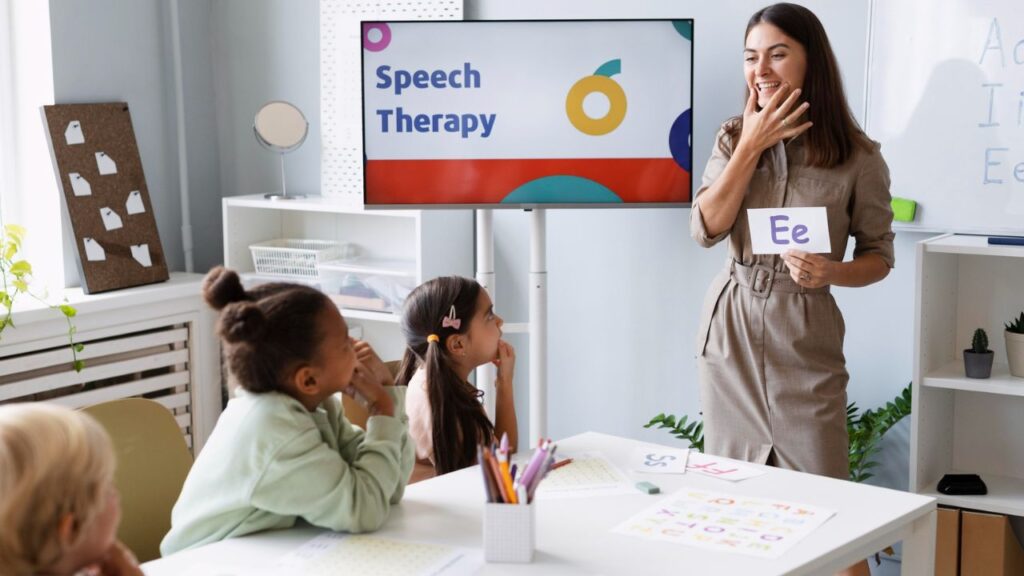
Understanding English in a classroom is one thing. Understanding it in real life—different accents, fast speech, swallowed sounds, and unfamiliar rhythm—is another challenge entirely. That’s where the ALEI Listening & Pronunciation Program comes in. Designed to sharpen ears and smooth out speech, this program focuses on what traditional English classes often miss: how English actually sounds when people use it.
For many students, this is the point where fluency starts to feel real.
What Is the ALEI Listening & Pronunciation Program?

The ALEI Listening & Pronunciation Program is a targeted language support initiative focused on accent training, listening comprehension, and spoken fluency. It’s not about erasing accents or forcing students to sound “native.” Instead, the goal is clarity, confidence, and mutual understanding.
The program typically combines:
- Guided listening practice
- Pronunciation and stress training
- Accent-awareness exercises
- Fluency-building speaking drills
Sessions are usually facilitated by trained language instructors who specialize in phonetics, speech patterns, and learner-specific pronunciation challenges.
Why Listening and Pronunciation Matter More Than Grammar

Many students know English grammar well—but still struggle to follow lectures, group discussions, or fast conversations. That’s because real-world English relies heavily on:
- Stress and intonation
- Reduced sounds (“gonna,” “wanna,” “kinda”)
- Linking and connected speech
- Accent variation
Without listening training, even advanced learners can feel lost. The ALEI program focuses on helping students hear patterns, not just words.
Education research consistently shows that pronunciation and listening skills are key drivers of overall fluency, a principle supported by language acquisition frameworks referenced by institutions and education authorities such as https://www.ed.gov/.
What the Program Focuses On

The Listening & Pronunciation Program is practical by design. Instead of theory-heavy lessons, it works on issues students face daily.
Core Areas of Training
| Focus Area | What Students Learn |
|---|---|
| Pronunciation | Clear vowel and consonant sounds |
| Word stress | Which syllables matter most |
| Sentence rhythm | Natural English flow |
| Intonation | Rising and falling tone patterns |
| Accent awareness | Understanding different English accents |
| Listening speed | Processing fast, natural speech |
Students don’t just repeat sounds—they learn why certain sounds change in connected speech and how to reproduce them naturally.
Accent Training Without the Pressure
One of the biggest misconceptions is that accent training means “losing your accent.” That’s not the goal at ALEI.
The program focuses on:
- Intelligibility (being easily understood)
- Consistency in pronunciation
- Confidence while speaking
Accents are part of identity. The aim is not to erase them, but to reduce misunderstandings and self-consciousness when speaking English in academic or professional settings.
Listening Practice That Reflects Real English
Listening exercises go beyond slow, scripted recordings.
Students may work with:
- Natural conversations
- Lectures and presentations
- Interviews and debates
- Multiple English accents (American, British, international)
This exposure prepares students for classrooms, exams, internships, and everyday communication. Over time, students learn to stop translating in their heads and start understanding English automatically.
Who Should Join the Program?
The Listening & Pronunciation Program is useful for a wide range of students, including:
- International students adjusting to English-medium instruction
- Students who understand English but struggle with fast speech
- Learners who feel their accent affects confidence
- Advanced speakers aiming for clearer, more professional communication
You don’t need “bad pronunciation” to benefit. Many strong English speakers join simply to polish clarity and fluency.
What a Typical Session Looks Like
Sessions are interactive, not lecture-based.
A typical session might include:
- Listening to short audio clips
- Identifying stress and intonation patterns
- Practicing sounds in words and sentences
- Group or pair speaking activities
- Instructor feedback and modeling
Corrections are supportive, not constant. The emphasis is on patterns, not perfection.
Fluency Tips Students Learn in the Program
Beyond class sessions, students pick up practical habits that improve fluency quickly:
- Slow down slightly—clarity beats speed
- Focus on sentence stress, not every word
- Listen actively to native and non-native speakers
- Record yourself to notice patterns
- Practice aloud, not silently
These habits often make a noticeable difference within weeks.
How This Program Supports Academic Success
Better listening and pronunciation don’t just help conversations—they impact grades.
Students often report:
- Improved lecture comprehension
- More confident class participation
- Better presentation performance
- Reduced anxiety during exams and discussions
Clear communication makes every subject easier, not just English.
When and Where the Program Runs
Schedules and formats can vary by term, but ALEI typically offers:
- Weekly or bi-weekly sessions
- In-person language lab or classroom settings
- Occasional online or hybrid sessions
Program details are shared through:
- ALEI student portal
- Campus announcements
- Language or student support services
Students should always check official ALEI channels for updated schedules.
Common Myths About Pronunciation Training
“Only beginners need it.”
Not true. Advanced speakers benefit just as much.
“I’m too old to improve pronunciation.”
False. Adults can improve clarity with the right techniques.
“My accent is the problem.”
No—lack of exposure and feedback usually is.
FAQs:
Is the ALEI Listening & Pronunciation Program for beginners only?
No. Students of all English levels can benefit.
Will the program remove my accent?
No. The focus is on clarity and confidence, not accent removal.
Are sessions graded or assessed?
No. The program is for skill development, not evaluation.