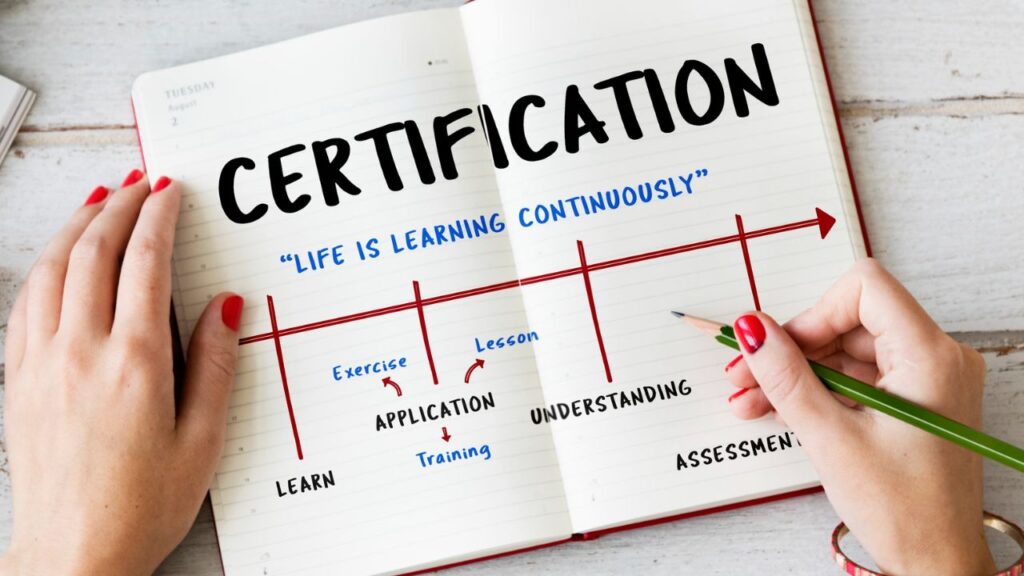
Finishing a course is one thing. Walking away with a recognized certificate that proves what you’ve learned is another. At ALEI, certificate programs are designed to do exactly that — give students a clear academic endpoint, measurable progress, and something concrete they can use for future study, employment, or visa documentation.
But certificates aren’t automatic. There are specific completion requirements, and understanding them early can save students from unpleasant surprises at the end of a term.
What Are ALEI Certificate Programs?

ALEI Certificate Programs are structured academic pathways that confirm a student has successfully completed a defined level or course of study. They are commonly awarded for:
- English language proficiency levels
- Academic English programs
- Specialized short-term courses
Each certificate reflects attendance, performance, and progression, not just time spent in class. In other words, you earn it — it’s not a participation trophy.
Certificates are issued only after all academic and administrative conditions are met.
Who Can Earn an ALEI Certificate?

Most enrolled ALEI students are eligible to earn certificates, provided they:
- Are officially registered in a certificate-eligible program
- Meet attendance and academic standards
- Complete the full course or level
Certificates are typically awarded at the end of a term or level, not mid-course. Students who withdraw early or fail to meet requirements usually do not receive certification.
Completion Requirements Explained
This is where details matter. ALEI certificates are tied to three core pillars: attendance, academic performance, and conduct.
1. Attendance Requirements

Attendance is non-negotiable.
Most ALEI certificate programs require:
- Minimum attendance of 80–90%, depending on the program
- Attendance calculated across the full term, not just the final weeks
Excessive absences — even with good grades — can disqualify a student from receiving a certificate. This aligns with academic standards commonly applied by accredited institutions and education authorities such as https://www.ed.gov/.
2. Academic Performance Standards
Students must demonstrate satisfactory academic progress.
Typical requirements include:
- Passing all required assessments
- Meeting minimum grade or proficiency benchmarks
- Completing required assignments, exams, or evaluations
Failing a course component may result in:
- No certificate issued
- Requirement to repeat the level or course
Grades are reviewed officially by academic staff before certificates are approved.
3. Course Completion and Progression
To earn a certificate, students must:
- Complete the entire course or level
- Remain enrolled through the end of the term
- Meet progression criteria if moving to the next level
Partial completion usually does not qualify. Certificates reflect completion, not enrollment.
Summary of Core Requirements
| Requirement Area | What ALEI Looks For |
|---|---|
| Attendance | Meets minimum % threshold |
| Academics | Passing grades / proficiency |
| Enrollment | Full-term completion |
| Conduct | Compliance with ALEI policies |
Administrative Requirements Students Often Miss
Even students who pass academically can face delays if administrative steps are overlooked.
Common issues include:
- Outstanding tuition or fees
- Incomplete student records
- Missing identification or enrollment documents
ALEI typically will not release certificates until all financial and administrative obligations are cleared. This practice mirrors policies followed by higher education institutions and finance regulations referenced by agencies such as https://home.treasury.gov/.
How and When Certificates Are Issued
Certificates are not issued immediately after the last class.
The usual process includes:
- Final grade verification
- Attendance audits
- Academic approval
- Administrative clearance
Certificates may be:
- Issued in digital format
- Available for pickup
- Mailed upon request (depending on policy)
Students are notified through official ALEI channels when certificates are ready.
What ALEI Certificates Are Used For
An ALEI certificate has practical value beyond the classroom.
Common Uses
- Proof of English proficiency or level completion
- Academic progression within ALEI
- Applications to colleges or universities
- Visa or sponsorship documentation (where applicable)
- Employment or internship applications
For many students, the certificate becomes a bridge document — connecting current study to the next opportunity.
Certificates vs. Transcripts: Know the Difference
This is another area of confusion.
A certificate confirms completion of a program or level.
A transcript provides detailed academic records, grades, and attendance.
Some institutions or employers may ask for both. ALEI issues them separately, and each has its own request process.
What Happens If You Don’t Meet the Requirements?
Not meeting certificate requirements doesn’t always mean failure — but it does limit recognition.
Possible outcomes include:
- Course completion without certificate
- Requirement to repeat the level
- Placement review before progression
Students concerned about attendance or grades should speak with instructors or academic advisors before the term ends. Once final reviews are completed, changes are rarely made.
Why ALEI Emphasizes Certificate Standards
Certificates carry credibility only when standards are enforced.
By maintaining clear requirements, ALEI ensures that:
- Certificates reflect real learning outcomes
- Receiving institutions trust the credential
- Students understand expectations from day one
This approach aligns with broader academic quality assurance practices used internationally.
Tips to Ensure You Earn Your Certificate
Track your attendance weekly — don’t guess.
Ask early if you’re unsure about grades or requirements.
Clear financial obligations before the final week.
Keep copies of academic communications.
Most certificate issues are preventable with early action.
FAQs:
Is attendance mandatory to receive an ALEI certificate?
Yes. Minimum attendance is required regardless of grades.
Can I receive a certificate if I withdraw early?
No. Certificates are issued only after full course completion.
Are ALEI certificates recognized outside the institution?
They are commonly used for academic progression, employment, and documentation, depending on the receiving organization.