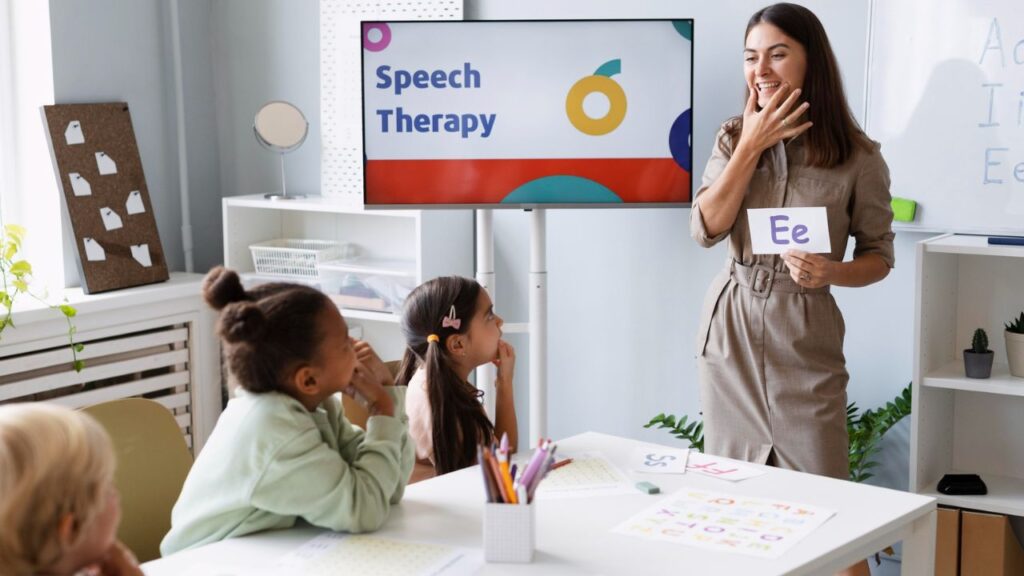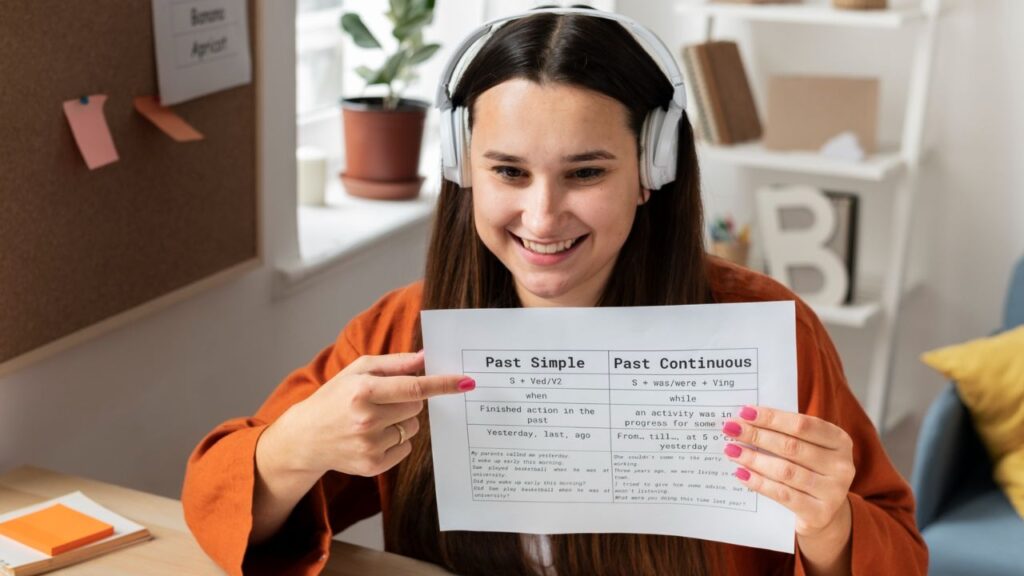
From the first class, it’s clear ALEI isn’t interested in students memorizing English — it wants them using it. Conversations start early. Mistakes are expected. Silence is gently challenged. This is not an accident. It’s the result of a faculty-led teaching system built around communicative English, not textbook perfection.
At ALEI, language learning is treated as a skill you practice, not a subject you cram. And that philosophy begins with the instructors.
Who Teaches at ALEI

ALEI faculty members are selected for more than just credentials. While academic qualifications and ESL training matter, so does classroom presence.
Instructors are expected to:
- Lead interactive, student-centered lessons
- Model natural English usage
- Adapt lessons to student ability levels
- Encourage speaking without fear of mistakes
Many faculty members have experience teaching international students from diverse linguistic backgrounds, which shapes how lessons are paced, explained, and reinforced.

Rather than acting as lecturers, ALEI instructors function as language facilitators — guiding students into active communication.
What Is the Communicative English Learning System?
ALEI’s Communicative English Learning System is based on a simple idea: people learn languages best by using them in real situations.
Instead of focusing solely on grammar rules or vocabulary lists, communicative learning prioritizes:
- Meaning over memorization
- Interaction over repetition
- Fluency development alongside accuracy

This approach aligns with widely accepted language education principles supported by institutions referenced through https://www.ed.gov/, which emphasize learner engagement and practical skill application.
How Communicative Learning Looks in the Classroom
Communicative learning is not theoretical at ALEI — it’s visible every day.
Common Classroom Practices
| Teaching Method | What Students Experience |
|---|---|
| Pair and group work | Speaking with classmates regularly |
| Role-play scenarios | Real-world English practice |
| Task-based activities | Completing goals using English |
| Guided discussions | Expressing opinions and ideas |
| Error correction in context | Learning without embarrassment |
Students are expected to talk, listen, respond, and react — not just absorb information passively.
The Role of Grammar at ALEI
Grammar isn’t ignored. It’s repositioned.
Instead of teaching grammar in isolation, ALEI instructors:
- Introduce structures within context
- Explain rules after usage, not before
- Correct errors as learning moments
For example, students may practice past tense storytelling first, then review the grammatical patterns that emerged naturally during conversation.
This mirrors real-world language acquisition and helps students internalize structures instead of overthinking them.
Faculty Expectations for Student Participation
Participation is not optional — it’s foundational.
ALEI faculty expect students to:
- Speak regularly in class
- Attempt answers even when unsure
- Participate in activities and discussions
- Accept feedback constructively
Silence is not treated as “safe.” Instructors are trained to encourage quieter students while keeping the classroom supportive, not intimidating.
This environment helps students overcome the fear of making mistakes — one of the biggest barriers to language fluency.
Feedback: Immediate and Practical
One of the strengths of ALEI’s teaching approach is real-time feedback.
Instructors typically:
- Correct pronunciation during activities
- Rephrase student responses naturally
- Offer suggestions instead of interruptions
- Highlight improvement, not just errors
Feedback focuses on clarity and communication effectiveness, not perfection.
Students learn how their English sounds to others — which is often more valuable than knowing whether something is technically “wrong.”
Skill Integration: Not Isolated Learning
ALEI does not teach speaking, listening, reading, and writing as separate silos.
A single lesson may involve:
- Reading a short text
- Discussing its meaning
- Listening to related audio
- Writing a brief response
This integration reflects how English is actually used outside the classroom and helps students develop balanced proficiency.
Faculty Consistency Across Levels
One reason ALEI’s system works is consistency.
Across levels, instructors follow:
- Shared learning objectives
- Standardized level outcomes
- Unified assessment principles
This ensures that:
- Expectations don’t shift unpredictably
- Level advancement remains fair
- Students build skills progressively
Faculty meet regularly to align teaching practices and maintain academic standards.
Cultural Awareness in Teaching
ALEI instructors are trained to recognize cultural differences that affect communication.
This includes understanding:
- Different classroom norms
- Hesitation around speaking publicly
- Variations in eye contact or tone
- Fear of losing face through mistakes
By acknowledging these differences, faculty create inclusive spaces where students feel safe experimenting with English.
This cultural responsiveness is a key reason students often gain confidence quickly.
Technology as a Teaching Tool — Not a Crutch
Faculty use technology to support communicative learning, not replace it.
Typical uses include:
- Displaying discussion prompts
- Playing authentic audio or video
- Collecting written responses digitally
- Providing structured feedback online
Technology enhances interaction but never substitutes for it. The instructor remains central.
How Faculty Evaluate Progress
ALEI instructors evaluate students based on performance over time, not one-off exams.
Faculty consider:
- Attendance and engagement
- Participation quality
- Skill development across areas
- Improvement trends
This holistic evaluation ensures advancement decisions reflect readiness, not test-taking ability alone.
Why ALEI Avoids Rote Learning
Memorization-heavy systems often produce students who “know English” but can’t use it.
ALEI’s faculty deliberately avoid:
- Long vocabulary drills without context
- Grammar worksheets disconnected from use
- Lecture-only instruction
The goal is usable English — the kind students can rely on in real conversations, academic settings, and workplaces.
Benefits of the Communicative System for Students
Students in ALEI’s communicative system often report:
- Increased speaking confidence
- Faster listening comprehension
- Improved pronunciation and fluency
- Reduced fear of making mistakes
Progress may feel uncomfortable at first — especially for students used to passive learning — but that discomfort is where growth happens.
Challenges Students Sometimes Face
Not every student adjusts immediately.
Common challenges include:
- Feeling exposed when speaking
- Wanting “more rules” upfront
- Expecting teacher-led lectures
ALEI faculty help students transition by explaining why communicative learning works and supporting them through the adjustment period.
FAQs:
Do ALEI teachers speak students’ native languages?
Classes are conducted primarily in English to encourage immersion, though instructors may use simple explanations when needed.
Is grammar taught explicitly at ALEI?
Yes, but always within context rather than isolated drills.
What if I’m shy about speaking?
Faculty are trained to support hesitant students and build confidence gradually.